
Zuhr and Jummah Prayer Time in Lahore Today Complete Guide (2026)
Zuhr and Jummah Prayer Time in Lahore Today – Complete Guide (2026)
Knowing the correct prayer time is very important for every Muslim in Lahore. Prayer times change every single day because they follow the position of the sun. Even a few minutes of difference can mean you missed the start of a prayer. That is why having an accurate and updated source matters so much.
Many people think Zuhr and Jummah are the same prayer but they are not. Zuhr is the regular midday prayer offered every day of the week. Jummah is the Friday congregational prayer that replaces Zuhr on Fridays only. This guide covers today’s updated timings for both prayers along with everything else you need to know for 2026.
What Is Zuhr Prayer?
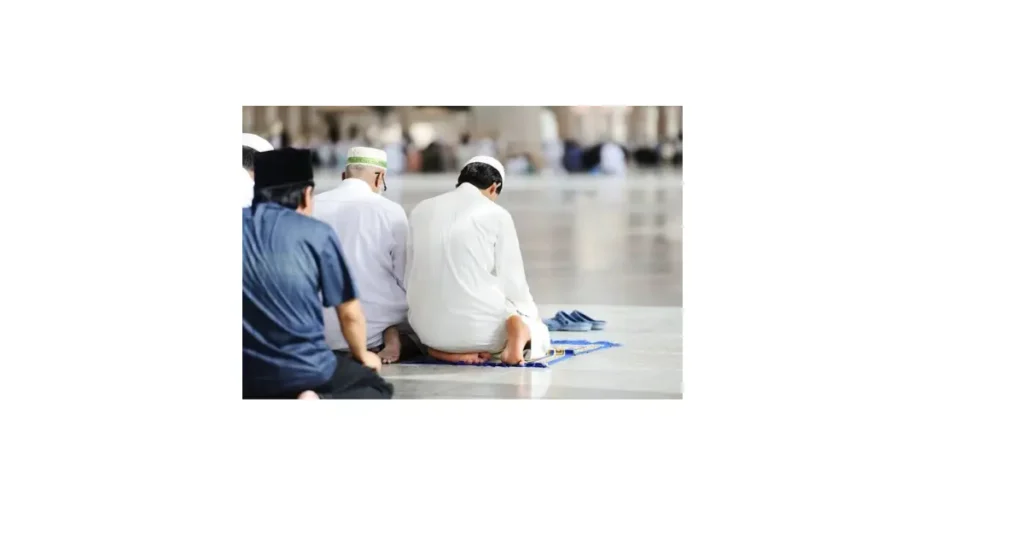
Zuhr is the second of the five daily prayers in Islam. It is offered in the early afternoon every single day. Muslims all around the world stop their daily activities and turn toward the Qibla for this prayer. It is one of the most important obligations for every Muslim.
Meaning and Importance of Zuhr
The word Zuhr comes from Arabic and means midday or noon. This prayer was made compulsory during the night of Miraj when the Prophet Muhammad (PBUH) was given the gift of five daily prayers. Zuhr falls right in the middle of the day when people are at their busiest. That is exactly why it holds special importance. It is a reminder to pause from the world and reconnect with Allah even during the most hectic part of your day. The Prophet Muhammad (PBUH) gave great importance to offering Zuhr on time. Missing it without a valid reason is considered a serious matter in Islam.
Number of Rakats in Zuhr Prayer
Zuhr has a total of 12 rakats. Here is the full breakdown:
| Rakats | Type |
|---|---|
| 4 Rakats | Sunnah Muakkadah (Before Fard) |
| 4 Rakats | Fard |
| 2 Rakats | Sunnah Muakkadah (After Fard) |
| 2 Rakats | Nafl (Optional) |
The 4 Fard rakats are compulsory. The Sunnah rakats before and after are very strongly recommended. The Prophet Muhammad (PBUH) rarely missed these Sunnah prayers. The 2 Nafl rakats at the end are optional but carry great reward.
Best Time to Perform Zuhr
Zuhr time starts a few minutes after the sun passes its highest point in the sky. This moment is called Zawal. In Lahore Zuhr typically starts around 12:02 PM in summer and around 12:15 PM in winter. The best time to perform Zuhr is as early as possible after it begins. Delaying it without reason is not recommended. Zuhr time ends when Asr time begins. In Lahore today Asr starts at 4:58 PM so you have a generous window to offer Zuhr. But do not leave it too late. The earlier you pray the better.
Zuhr Prayer Time in Lahore Today
Today’s Zuhr Time in Lahore
Here is today’s updated Zuhr time for Lahore along with the surrounding prayer times for reference.
📅 Date: June 12, 2026
| Prayer | Time |
|---|---|
| Fajr | 3:18 AM |
| Sunrise | 4:57 AM |
| Zawal Ends | 12:02 PM |
| Zuhr Starts | 12:02 PM |
| Asr | 4:58 PM |
| Maghrib | 7:08 PM |
| Isha | 8:47 PM |
Calculation Method: University of Islamic Sciences, Karachi Juristic Method: Hanafi Time Zone: Pakistan Standard Time (PKT, UTC +5)
Zuhr and Jummah timings can vary slightly depending on which area of Lahore you’re in and which mosque you attend. For accurate area-wise prayer timings and nearby mosque details, check out our detailed guide on Prayer Times by Area in Lahore: Complete Mosque Guide 2026.
Monthly Zuhr Prayer Timetable for Lahore
Here is the complete Zuhr timetable for Lahore for June 2026. You will notice the time shifts slightly every day as the sun’s position changes throughout the month.
| Date | Zuhr Time | Asr Time |
|---|---|---|
| June 1 | 12:00 PM | 4:55 PM |
| June 2 | 12:01 PM | 4:55 PM |
| June 3 | 12:01 PM | 4:56 PM |
| June 4 | 12:01 PM | 4:56 PM |
| June 5 | 12:01 PM | 4:56 PM |
| June 6 | 12:01 PM | 4:57 PM |
| June 7 | 12:01 PM | 4:57 PM |
| June 8 | 12:02 PM | 4:57 PM |
| June 9 | 12:02 PM | 4:57 PM |
| June 10 | 12:02 PM | 4:58 PM |
| June 11 | 12:02 PM | 4:58 PM |
| June 12 | 12:02 PM | 4:58 PM |
| June 13 | 12:03 PM | 4:59 PM |
| June 14 | 12:03 PM | 4:59 PM |
| June 15 | 12:03 PM | 4:59 PM |
| June 16 | 12:03 PM | 5:00 PM |
| June 17 | 12:04 PM | 5:00 PM |
| June 18 | 12:04 PM | 5:00 PM |
| June 19 | 12:04 PM | 5:00 PM |
| June 20 | 12:04 PM | 5:01 PM |
| June 21 | 12:05 PM | 5:01 PM |
| June 22 | 12:05 PM | 5:01 PM |
| June 23 | 12:05 PM | 5:01 PM |
| June 24 | 12:05 PM | 5:02 PM |
| June 25 | 12:05 PM | 5:02 PM |
| June 26 | 12:06 PM | 5:02 PM |
| June 27 | 12:06 PM | 5:02 PM |
| June 28 | 12:06 PM | 5:02 PM |
| June 29 | 12:06 PM | 5:03 PM |
| June 30 | 12:06 PM | 5:03 PM |
Zuhr time gradually gets a few minutes later as June progresses. This is completely normal and happens every year as the sun’s position shifts with the seasons.
Factors Affecting Prayer Timings
Prayer times in Lahore do not stay fixed throughout the year. Several factors cause them to shift. Here is a simple explanation of each one.
Position of the Sun
Prayer times are directly linked to the sun. As the earth moves around the sun throughout the year the sun rises and sets at different times. This is the main reason prayer times change every single day.
Season
In summer Zuhr in Lahore starts around 12:00 PM to 12:06 PM. In winter it shifts to around 12:10 PM to 12:20 PM. The days are longer in summer and shorter in winter. This directly affects all prayer times including Zuhr.
Geographic Location
Lahore sits at 31.5497 degrees North latitude and 74.3436 degrees East longitude. These exact coordinates are used to calculate all prayer times for the city. Even moving a few kilometres east or west changes the timing slightly.
Calculation Method
The University of Islamic Sciences Karachi method is used across Pakistan. This method sets Fajr and Isha angles at 18 degrees. If a different method is used the prayer times will be different. Always make sure your app is set to the Karachi method for accurate Lahore timings.
What Is Jummah Prayer?
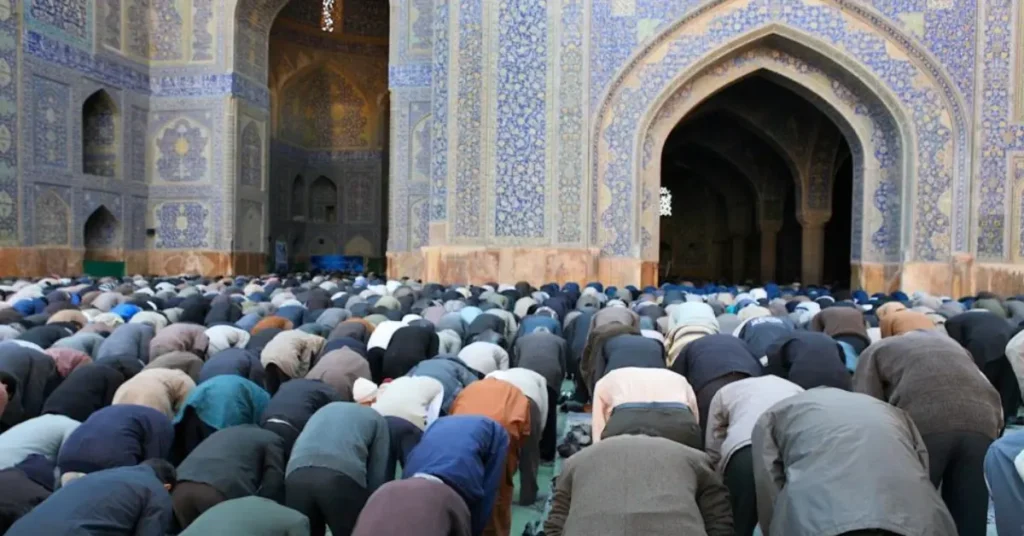
Jummah is the weekly Friday congregational prayer in Islam. It replaces the regular Zuhr prayer every Friday. It is not just a prayer. It is a gathering of the entire Muslim community in one place at one time. Friday is the most blessed day of the week in Islam and Jummah is the heart of that day.
Significance of Friday Prayer in Islam
Friday holds a very special place in Islam. The Prophet Muhammad (PBUH) called it the best day of the week. It is the day when Allah completed the creation of the world. It is also the day when the Day of Judgment will take place. Jummah prayer on this day is compulsory for every adult Muslim man. The Quran directly commands Muslims to leave all work and business when the Jummah azan is called and rush toward the remembrance of Allah. This command is mentioned in Surah Al Jumuah. Missing Jummah three times in a row without a valid reason is considered a very serious matter in Islam. The Prophet Muhammad (PBUH) warned that the heart of a person who misses Jummah repeatedly becomes sealed from guidance.
Who Is Required to Attend Jummah?
Jummah is compulsory for specific categories of Muslims. Here is a simple breakdown:
| Category | Jummah Required? |
|---|---|
| Adult Muslim Men | Yes. Compulsory |
| Muslim Women | Not compulsory but allowed |
| Children | Not compulsory but encouraged |
| Travelers | Not compulsory if traveling |
| Sick People | Excused if unable to attend |
| Elderly | Excused if unable to attend |
If you’re looking for a historic and spiritually significant place to offer your Jummah prayer, the Badshahi Mosque is one of the best options in Lahore. This magnificent Mughal-era mosque hosts thousands of worshippers every Friday for the special congregational prayer. To learn more about its history, architecture, and visitor details, check out our complete guide on Badshahi Mosque Lahore: Pakistan’s Most Famous Mughal Masterpiece – History, Architecture & Visitor Guide 2026.
Benefits and Rewards of Jummah
Jummah carries enormous rewards for every Muslim who attends with sincerity. Here are some of the most important ones.
Sins between two Fridays are forgiven. The Prophet Muhammad (PBUH) said that attending Jummah with a clean body and listening to the khutbah with full attention results in the forgiveness of sins committed in the past week. This is one of the greatest gifts of Jummah.
There is a special hour on Friday when any dua is accepted by Allah. Scholars have different opinions on exactly when this hour is. Many say it is in the last moments before Maghrib on Friday. Making dua during this time carries special weight.
Sending salawat on the Prophet Muhammad (PBUH) on Friday carries extra reward. The Prophet himself encouraged Muslims to recite as much salawat as possible on Fridays.
Attending Jummah regularly keeps a Muslim connected to their community. It is a weekly reminder of shared faith and brotherhood. In a busy city like Lahore where people can easily get lost in their daily routines Jummah is the one moment every week that brings everyone back together.
Jummah Prayer Time in Lahore Today
Jummah prayer in Lahore today is around 1:15 PM to 1:30 PM depending on the mosque. Most large mosques start the khutbah at 1:15 PM and the actual prayer begins around 1:30 PM. Always check with your specific mosque as timings can vary slightly.
📅 Date: June 12, 2026
| Detail | Time |
|---|---|
| Zuhr Starts Today | 12:02 PM |
| Jummah Khutbah Starts | 1:15 PM (Most Mosques) |
| Jummah Prayer Starts | 1:30 PM (Most Mosques) |
| Jummah Ends | Approximately 2:00 PM |
Common Jummah Timings in Major Lahore Mosques
Different mosques across Lahore follow slightly different Jummah schedules. Here is a quick reference for the most well known mosques and areas.
| Mosque or Area | Jummah Time |
|---|---|
| Badshahi Mosque | 1:30 PM |
| Grand Jamia Mosque Bahria Town | 1:30 PM |
| DHA Phase 5 Central Mosque | 1:30 PM |
| DHA Phase 6 Main Mosque | 1:30 PM |
| Grand Jamia Masjid Johar Town | 1:30 PM |
| Gulberg Main Boulevard Mosque | 1:30 PM |
| Township Sector Mosques | 1:15 PM to 1:30 PM |
| Baghbanpura Main Mosque | 1:30 PM |
| Liberty Market Area Mosque | 1:00 PM to 1:15 PM |
| University Area Mosques | 12:45 PM to 1:00 PM |
| Old City Walled Lahore | 1:30 PM to 1:45 PM |
| Commercial Market Mosques | 1:00 PM to 1:15 PM |
Commercial and market area mosques start Jummah earlier. This helps shopkeepers and workers return to their shops quickly. University mosques start the earliest of all to fit between class schedules.
First and Second Jummah Congregations
Many larger mosques in Lahore offer two separate Jummah congregations. This is called the first Jummah and the second Jummah.
The first Jummah is held earlier. It usually starts around 12:30 PM to 1:00 PM. It is mostly attended by workers, shopkeepers, and people with tight schedules who cannot wait for the main congregation.
The second Jummah is the main and more attended congregation. It starts around 1:30 PM. This is the one most families and regular mosque goers attend.
Both congregations are equally valid. Your Jummah is accepted whether you attend the first or the second. The choice depends on your schedule and convenience.
Mosques in Lahore that commonly offer two Jummah congregations include Badshahi Mosque, Grand Jamia Mosque Bahria Town, and several large mosques in Johar Town and DHA. If you are not sure whether your mosque offers two Jummah congregations just ask the mosque management or check their notice board at the entrance.
Recommended Arrival Time
Many people make the mistake of arriving at the mosque just as the prayer is starting. This means they miss the entire khutbah. Missing the khutbah intentionally reduces the reward of Jummah significantly.
Here is a simple guide for when to arrive based on your mosque size:
| Mosque Size | Recommended Arrival |
|---|---|
| Small Neighbourhood Mosque | 10 to 15 minutes before Jummah |
| Medium Sized Mosque | 15 to 20 minutes before Jummah |
| Large Mosque like Badshahi or Grand Jamia | 25 to 30 minutes before Jummah |
Arriving early also means you get a better spot inside the hall. Large mosques like Badshahi Mosque and Grand Jamia Mosque in Bahria Town fill up very quickly on Fridays. If you arrive late you may end up praying in the courtyard or even on the street outside.
Try to complete your wudu at home before leaving for Jummah. This saves time and means you can sit down and engage in dhikr or recite the Quran while waiting for the khutbah to begin. This is the Sunnah way of spending the time before Jummah.
Difference Between Zuhr and Jummah Prayer
After Zuhr and Jummah, it’s important to stay updated on the later prayers of the day as well. If you want to check accurate timings for Isha, along with the highly rewarding Tahajjud and Ishraq prayers, check out our complete guide on Isha, Tahajjud & Ishraq Prayer Times in Lahore: Complete Guide 2026 for detailed timings across the city.
Purpose and Obligation
Zuhr is a daily prayer. It is offered every single day of the week including Friday. It is a personal prayer between you and Allah. You can offer it alone at home, in your office, or at a mosque. There is no congregation required for Zuhr to be valid.
Jummah on the other hand is a congregational prayer. It can only be offered in a group with a minimum number of people present. It has a social purpose beyond personal worship. It brings the entire Muslim community together every week. It cannot be offered alone at home.
| Factor | Zuhr | Jummah |
|---|---|---|
| Offered On | Every Day | Fridays Only |
| Type | Individual or Congregation | Congregation Only |
| Location | Anywhere | Mosque or Large Gathering |
| Compulsory For | All Muslims | Adult Muslim Men |
| Khutbah Required | No | Yes |
| Can Be Offered Alone | Yes | No |
Rakats and Khutbah
This is where Zuhr and Jummah are most different. Zuhr has 12 rakats in total. These are 4 Sunnah before Fard, 4 Fard, 2 Sunnah after Fard, and 2 optional Nafl.
Jummah has only 2 Fard rakats. But before those 2 rakats the imam delivers a two part khutbah. The khutbah is a religious sermon and listening to it is compulsory. Talking, using your phone, or being distracted during the khutbah is not allowed. The khutbah is considered part of the prayer itself.
| Zuhr | Jummah | |
|---|---|---|
| Sunnah Before Fard | 4 Rakats | 4 Rakats |
| Fard Rakats | 4 Rakats | 2 Rakats |
| Sunnah After Fard | 2 Rakats | 4 Rakats |
| Nafl | 2 Rakats | 2 Rakats |
| Khutbah | Not Required | Compulsory |
One important point. After Jummah prayer many scholars recommend offering 4 Sunnah and then 2 Sunnah rakats. The total Sunnah after Jummah is 6 rakats according to the Hanafi school of thought. Do not rush out of the mosque right after the 2 Fard rakats.
When Jummah Replaces Zuhr
Jummah replaces Zuhr only on Fridays. If you attend Jummah prayer on Friday you do not need to separately offer Zuhr that day. The Jummah prayer with its khutbah counts as your Zuhr for Friday.
However there are certain situations where Jummah does not replace Zuhr. If you are traveling and your journey qualifies as a Sharia travel then Jummah is not compulsory for you. You would offer Zuhr instead. If you are sick or unable to attend the mosque you also offer Zuhr at home. If you miss Jummah for any reason you must offer the full 4 Fard rakats of Zuhr as qada. You cannot make up missed Jummah as 2 rakats. Missed Jummah is always made up as full Zuhr.
If you are a woman and you attend Jummah at the mosque then that prayer counts as your Zuhr for the day. If you pray at home on Friday you simply offer regular Zuhr as normal.
Famous Mosques for Jummah Prayer in Lahore
Lahore has hundreds of mosques but some stand out for their Jummah experience. Whether it is the size, the imam, the atmosphere, or the community feeling, these mosques draw large crowds every Friday.
Badshahi Mosque
Badshahi Mosque is the most iconic place to offer Jummah in all of Lahore. It was built in 1673 and can hold over 100,000 worshippers in its courtyard. Standing in that massive open space for Jummah is an experience that stays with you for life. The azan echoes across the red sandstone walls and you feel connected to centuries of history. Jummah starts at 1:30 PM. Arrive at least 30 minutes early because the hall and courtyard fill up very quickly. Parking is available near Lahore Fort and Minar e Pakistan.
Data Darbar
Data Darbar is the shrine and mosque of Hazrat Ali Hajveri also known as Data Ganj Bakhsh. It is one of the most spiritually charged places in Lahore. The mosque is open 24 hours and never truly empties. Jummah at Data Darbar draws a very large and diverse crowd from all parts of Lahore and beyond. People from all walks of life come here every Friday. The Jummah prayer starts at 1:30 PM. The narrow streets around Data Darbar can get very congested on Fridays so it is better to come by rickshaw or motorcycle rather than a car.
Jamia Masjid Abu Bakr
Jamia Masjid Abu Bakr is one of the most well known mosques in Lahore for regular Jummah goers. It is popular for its knowledgeable imams and practical khutbahs. The mosque delivers Jummah khutbahs in clear simple Urdu that everyone can understand and relate to daily life. It draws a large and regular congregation every Friday. The mosque has a dedicated women’s section and good facilities overall. Jummah starts at 1:30 PM. It is considered one of the best mosques in Lahore for people who want to benefit from an educational and inspiring khutbah every week.
Prayer Facilities and Parking
Knowing what facilities a mosque offers before you visit saves a lot of trouble. Here is a quick comparison of the three mosques above.
| Feature | Badshahi Mosque | Data Darbar | Jamia Masjid Abu Bakr |
|---|---|---|---|
| Capacity | 100,000 Plus | 5,000 Plus | 3,000 Plus |
| Women’s Section | Yes | Yes | Yes |
| Air Conditioning | Partial | Partial | Yes |
| Parking | Nearby at Lahore Fort | Very Limited | Available |
| Wudu Facilities | Yes | Yes | Yes |
| Jummah Time | 1:30 PM | 1:30 PM | 1:30 PM |
| Best Access | Orange Line Metro | Rickshaw or Bike | Car or Rickshaw |
For families with children Jamia Masjid Abu Bakr is the most comfortable option. For a historic and unforgettable Jummah experience Badshahi Mosque is in a league of its own. For a deeply spiritual atmosphere Data Darbar is unlike anywhere else in Lahore.
How Prayer Times Are Calculated in Lahore
Prayer times are not set by a clock or a calendar. They are based on the movement of the sun. Every single prayer has a specific solar event that marks its start and end. Understanding this helps you appreciate why timings change every day.
Role of the Sun’s Position
Every prayer in Islam is linked to a specific position of the sun in the sky. Here is how each prayer connects to the sun.
Fajr begins when the first light of dawn appears on the horizon. This is called astronomical twilight. It ends at sunrise.
Zuhr begins a few minutes after the sun reaches its absolute highest point in the sky. This peak moment is called Zawal. Zuhr cannot start at or before Zawal. It must begin after the sun starts moving down from its peak.
Asr begins when the shadow of an object reaches a specific length. In the Hanafi method Asr starts when the shadow is twice the length of the object plus its original noon shadow. This is why Asr in Pakistan is later than in many other countries.
Maghrib begins exactly at sunset. This is the moment the sun fully disappears below the western horizon.
Isha begins when the red twilight glow on the western horizon completely disappears. This marks the full onset of night.
| Prayer | Solar Event |
|---|---|
| Fajr | Dawn twilight appears |
| Zuhr | After sun passes its peak |
| Asr | Shadow reaches twice object length |
| Maghrib | Sun sets completely |
| Isha | Red twilight disappears |
Islamic Calculation Methods
Different Islamic organisations around the world use slightly different angles for calculating Fajr and Isha. This is why prayer times can differ between countries and even between apps.
In Pakistan the University of Islamic Sciences Karachi method is the official standard. It uses 18 degrees for both Fajr and Isha angles. This is the method used by all mosques and Islamic institutions across Lahore.
| Method | Used In | Fajr Angle | Isha Angle |
|---|---|---|---|
| Karachi Method | Pakistan | 18 Degrees | 18 Degrees |
| Muslim World League | Europe, Far East | 18 Degrees | 17 Degrees |
| ISNA | North America | 15 Degrees | 15 Degrees |
| Egypt | Egypt, Africa | 19.5 Degrees | 17.5 Degrees |
Always make sure your prayer app is set to the Karachi method. If your app is set to ISNA or Muslim World League your Fajr time will be noticeably different from your local mosque in Lahore. This matters a lot during Ramadan for Sehri time.
Seasonal Changes in Prayer Timings
Prayer times in Lahore change significantly between summer and winter. This is one of the most important things to stay updated on throughout the year.
In summer the days are longer. Fajr comes very early and Isha is very late. Zuhr is around 12:00 PM to 12:06 PM. The gap between prayers is longer during the day.
In winter the days are shorter. Fajr comes later in the morning. Isha arrives much earlier in the evening. Zuhr shifts to around 12:10 PM to 12:20 PM. The gap between Asr and Maghrib becomes very short.
Here is a seasonal comparison for Lahore:
| Prayer | Summer (June) | Winter (December) |
|---|---|---|
| Fajr | 3:18 AM | 5:45 AM |
| Zuhr | 12:02 PM | 12:15 PM |
| Asr | 4:58 PM | 3:10 PM |
| Maghrib | 7:07 PM | 5:05 PM |
| Isha | 8:46 PM | 6:40 PM |
The biggest shift happens in March and September. These are the transition months between seasons. Always update your prayer app at the start of each month. Do not rely on last month’s timings. Even a one week old timetable can be off by several minutes during these transition periods.
Tips for Never Missing Zuhr or Jummah Prayer
Zuhr and Jummah are two of the most commonly missed prayers in Lahore. Both fall during working hours when people are busy with offices, meetings, and daily tasks. But with a few simple habits you can make sure you never miss them again.
Mobile Prayer Apps
A good prayer app on your phone is the easiest solution. It works silently in the background and alerts you before each prayer begins. Here are the best options for people in Lahore.
Muslim Pro is the most popular choice. It has a clean design, accurate timings, and a full azan notification system. Make sure you set the calculation method to University of Islamic Sciences Karachi and Asr to Hanafi. Allow the app full GPS access so it reads your exact location in Lahore.
Athan App is another excellent option. It is simple and fast. It shows today’s prayer times on the home screen without needing to open the app every time. The azan sound quality is very clear.
IslamicFinder is good for people who also want access to a monthly timetable and Qibla direction in the same app. It works well for Lahore and gives accurate results when set to the Karachi method.
One important tip for all apps. Turn on the pre prayer notification. This is a reminder that comes 10 to 15 minutes before the prayer starts. It gives you enough time to finish what you are doing, make wudu, and head to the mosque. Just the azan notification is often too late.
Mosque Announcements
Your local mosque is one of the most reliable sources for Zuhr and Jummah timings. Here is how to use it effectively.
Most mosques in Lahore post a monthly prayer timetable on the notice board outside. Take a photo of this timetable on the first of every month. Save it in your phone gallery. This gives you the exact timing your mosque follows throughout the month.
Many mosque committees in Lahore now have community WhatsApp groups. Ask your neighbour or mosque management to add you to the group. These groups regularly share prayer time reminders, Jummah announcements, and any changes to the schedule during special occasions.
During Ramadan the mosque timetable becomes even more important. Sehri and Iftar times are sometimes announced a day in advance on these groups. Being part of your mosque community group keeps you informed without any extra effort.
Setting Daily Prayer Reminders
Beyond prayer apps there are some simple personal habits that make a big difference.
Set a recurring alarm on your phone for 12:00 PM every day. Label it Zuhr Time. Even if you know the time this reminder breaks your focus and prompts you to stop whatever you are doing and prepare for prayer.
For Jummah set an extra alarm on Fridays at 12:45 PM. Label it Leave for Jummah. This gives you enough time to make wudu, drive to the mosque, find parking, and settle in before the khutbah begins. Most people who miss Jummah do not miss it on purpose. They simply get caught up in work and realise too late.
Put Jummah in your weekly work calendar as a blocked time slot from 1:00 PM to 2:15 PM every Friday. Treat it the same way you treat a work meeting. Do not schedule client calls or important tasks during this window. Your colleagues will understand and respect it over time.
If you work in a busy office in Gulberg, DHA, or Johar Town find the nearest mosque to your workplace in advance. Do not wait until Friday to figure out where to go. Knowing your mosque route on a regular weekday means Friday will always be smooth.
Benefits of Offering Zuhr and Jummah on Time
Offering Zuhr and Jummah on time is not just a religious duty. It brings real benefits to your daily life. Here is how praying on time changes you from the inside out.
Spiritual Benefits
Praying on time is one of the most beloved acts in the sight of Allah. When the Prophet Muhammad (PBUH) was asked which deed is most beloved to Allah he said prayer offered at its proper time. This alone tells you how important it is.
Zuhr falls in the middle of the day. It is a moment to step away from the world and reconnect with Allah. Even five minutes of focused prayer in the middle of a busy workday brings peace to your heart that nothing else can replace.
Jummah carries even greater spiritual weight. The Prophet Muhammad (PBUH) said that a person who makes proper ghusl, goes early to Jummah, sits close to the imam, and listens to the khutbah attentively will have their sins between this Friday and the next Friday forgiven. That is a weekly spiritual reset that costs you less than an hour of your time.
Regular Zuhr and Jummah prayers also keep your connection with the Quran alive. The imam recites Quranic verses aloud during Jummah. Hearing the Quran read correctly and beautifully every week is a blessing in itself.
Social Benefits
Jummah is the one time every week when the entire Muslim community of a neighbourhood gathers in one place. In a city like Lahore where life moves fast and people barely know their neighbours, Jummah is the weekly moment that brings everyone together.
You meet the same people every Friday. Over time you learn their names, their stories, and their struggles. A bond forms naturally. This kind of community connection is rare in modern city life and Jummah provides it completely free of charge.
Many business relationships, friendships, and community support networks in Lahore started at Jummah. People talk before and after the prayer. They check on each other. They help each other find jobs, solve problems, and support families going through difficult times.
Zuhr at the mosque during a working day also builds workplace friendships. Praying side by side with your colleagues or nearby workers creates a sense of shared values and mutual respect that is hard to build in any other setting.
Personal Discipline and Time Management
Five daily prayers are essentially five fixed appointments throughout the day. Keeping those appointments on time every day builds discipline without you even realising it.
Zuhr is at 12:02 PM. If you organise your morning work around that fixed point you naturally become more productive. You learn to complete tasks in chunks rather than dragging them out. The prayer acts as a natural deadline for your morning work.
Jummah every Friday creates a healthy weekly rhythm. You know that every Friday afternoon is for prayer and community. This fixed anchor point helps structure the rest of your week.
People who pray on time tend to manage their days better. They are used to stopping what they are doing at a specific time. That habit of respecting time boundaries carries over into every other area of life including work, family, and personal goals.
In a busy city like Lahore where distractions are everywhere prayer on time is one of the simplest and most powerful tools for staying grounded and focused throughout the day.
Common Questions About Zuhr and Jummah Prayer
| Rakats | Type |
|---|---|
| 4 Rakats | Sunnah Before Jummah |
| 2 Rakats | Fard (Compulsory) |
| 4 Rakats | Sunnah After Jummah |
| 2 Rakats | Sunnah After Jummah |
| 2 Rakats | Nafl (Optional) |
Do not leave the mosque right after the 2 Fard rakats. Complete the Sunnah prayers as well. This is the full and proper way to offer Jummah according to the Hanafi method followed across Pakistan.
How Long Does Jummah Prayer Take?
Most people want to know how much time to set aside for Jummah. The answer depends on the mosque and the imam. Here is a realistic time breakdown for a typical Jummah in Lahore.
| Part of Jummah | Time Taken |
|---|---|
| Waiting before Khutbah | 10 to 15 minutes |
| First Khutbah | 10 to 15 minutes |
| Short Break Between Khutbahs | 2 to 3 minutes |
| Second Khutbah | 5 to 8 minutes |
| 2 Fard Rakats | 5 to 7 minutes |
| Sunnah and Nafl Rakats | 10 to 15 minutes |
| Total Time at Mosque | 45 to 60 minutes |
Most Jummah prayers in Lahore are completed within 45 to 60 minutes from start to finish. Some mosques have longer khutbahs that go up to 25 to 30 minutes. If you are attending a mosque for the first time ask a regular worshipper how long the khutbah usually runs. This helps you plan your day better especially if you need to return to work afterward.
Is Jummah Compulsory for Women?
No. Jummah is not compulsory for women in Islam. Women are required to offer regular Zuhr prayer every Friday. They do not have to attend the mosque for Jummah. This is a well established ruling across all major Islamic schools of thought including Hanafi which is followed in Pakistan.
However women are welcome to attend Jummah at mosques that have proper facilities. In Lahore many modern mosques have well equipped women’s sections with separate entrances, clean wudu areas, and comfortable prayer spaces. If a woman attends Jummah at the mosque it replaces her Zuhr for that day. She does not need to offer Zuhr separately.
Women who pray at home on Fridays simply offer their regular Zuhr prayer as they do on any other day of the week.
What Should I Do Before Attending Jummah?
The Prophet Muhammad (PBUH) gave specific guidance on how to prepare for Jummah. Following these steps increases your reward and prepares you spiritually for the prayer.
Ghusl on Friday
Taking a full bath on Friday before Jummah is strongly recommended. The Prophet Muhammad (PBUH) said that making ghusl on Friday is a duty on every adult Muslim. It is one of the etiquettes of Friday that many people overlook.
Wear Clean Clothes
Put on your best and cleanest clothes for Jummah. Friday is a special day and dressing well for it is part of honouring the day. Many people in Lahore keep a specific set of clothes dedicated for Jummah.
Use Miswak or Brush Your Teeth
Cleaning your teeth before Jummah is a Sunnah. It is a sign of respect for the people around you in the mosque.
Recite Surah Al Kahf
Reading Surah Al Kahf on Fridays is a very important Sunnah. The Prophet Muhammad (PBUH) said that whoever reads Surah Al Kahf on Friday will have a light that shines from one Friday to the next. Try to read it in the morning before heading to Jummah.
Send Salawat on the Prophet
Increase your salawat on Fridays. The Prophet Muhammad (PBUH) said that Friday is the day when salawat sent upon him reaches him directly. Even a few extra salawat on your way to the mosque carries great reward.
Arrive Early
Leave home early enough to arrive before the khutbah begins. Sitting and waiting quietly in the mosque before Jummah is itself an act of worship. Every step you take toward the mosque on Friday carries reward.
Conclusion
Zuhr and Jummah are two of the most important prayers in a Muslim’s daily and weekly life. Zuhr keeps you connected to Allah in the middle of a busy day and Jummah brings the entire community together every Friday. Prayer times in Lahore change every single day so make it a habit to check updated timings regularly and keep your prayer app set to the Karachi method. Small habits like these make a big difference over time. Start today, offer your Zuhr on time, show up for Jummah early, and may Allah make it easy for all of us to pray on time every single day.